Prevent Basement Flooding with a Backup Sump Pump System
-
font size
decrease font size
 increase font size
Video
It’s no fun to end up with wet feet when you step into your basement, not to mention the fact that extensive flooding can cause real damage. Even if you have a sump pump, it is a piece of equipment that can fail just when you need it most. Find out what your options are for a backup pump and what it will cost.
"An ounce of prevention is worth a pound of cure." — Benjamin Franklin
Houses with in-ground basements, if they were built after the 1980s, commonly have AC-powered sump pumps installed. The sole purpose of such a pump is to discharge groundwater that is collected in a sump, then direct it outside and away from the foundation. The anticipated life span of a pump depends on how often it’s used, as well as the size, type, and quality of the pump installed. Unfortunately, there is no definitive duration of time that one can expect a sump pump to last; it may operate for 5, 15, or even 30 years. No matter the age of the pump, it won’t operate during a power failure, and such failures are common enough occurrences during severe storms. For these reasons, a sump pump’s failure to operate cannot be planned for. The best work-around is to put in place a preventative measure, such as a battery or water powered backup sump pump system, to insure that groundwater is collected and removed.
Applying Finishing Touches to Concrete Foundation Walls
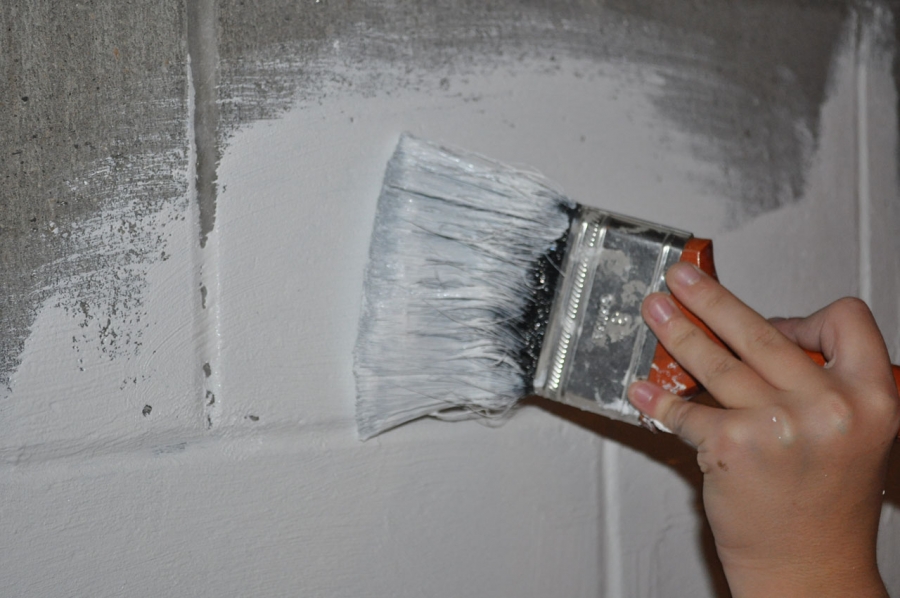
Adding a finished surface to your basement wall will make it feel more like a "real" room. Learn the how-to steps here and find out what material choice would work best for you. Read More...
Beneath Bathroom Finishes: Substrates That Manage Water and Moisture

The bathroom is one area of the home that is extremely vulnerable to water damage. Showers, tubs, toilets, and vanities provide hundreds of gallons of water on demand every day. Read More...
Battery Powered Pump
A battery powered backup sump pump remains operational when there is a power outage, because it is connected to DC power and doesn’t require AC power to pump. This system incorporates a secondary pump and float, which are commonly connected to a controller, charger and a rechargeable 12V battery. The charger is plugged into your home’s electrical system and keeps the 12V battery charged while not in use. In the event that your primary pump becomes non-operational, due either to a mechanical failure or a power failure, the water level inside the sump will rise beyond the primary pump’s float trigger height. As the water level rises, the secondary float will activate the backup pump and remove any collected groundwater. The duration of time a battery powered pump can operate depends on how efficient the pump is, and what battery is used. It is necessary to maintain the battery and pump on a regular basis in order to insure proper operation of this system.
Water Powered Pump
A water powered backup sump pump requires no electrical power; instead it utilizes the flow of water from your municipal water supply. Similar to a battery powered backup pump, as the water level rises in the sump, the secondary float activates. In the case of a water powered system, the secondary float activates the flow of pressurized water from your home’s cold water supply. The flow of pressurized water is forced into an ejector, which creates a vacuum. The vacuum draws groundwater in from the sump and ejects it outside and away from the foundation. This type of system requires a municipal water supply with a minimum pressure of 40 psi and a maximum pressure of 100 psi. At regular intervals, a water powered backup system should be tested to insure proper operation.
According to Cost Helper, “A separate battery- or water-powered backup emergency sump pump is $150 -$350 or more, depending on horsepower, flow rate, materials and other features.” When selecting a backup sump pump system, consider one that is certified by the Sump and Sewage Pump Manufacturers Association (SSPMA). According to SSPMA, “Pumps bearing the “SSPMA-Certified” seal have been tested, by the member manufacturer, and rated in accordance with SSPMA Industry Standards and will perform as stated by the manufacturer of the particular equipment involved.”
As we know, all too often things happen. This is particularly true when it comes to mechanical equipment such as a sump pump. Whether sump pump failure occurs due to lack of maintenance, age of equipment, or a power failure, there is a good chance your sump pump will stop working at some point while you reside in your current home. The redundancy of two sump pumps is a prudent investment that can prevent a basement flood and provide you with peace of mind. The low cost of a backup sump pump system significantly outweighs to expense of cleaning up after a flood.


Jeff Calcamuggio
Jeff is an Editor-at-Large for Buildipedia.com who writes and edits Featured At Home and Knowledgebase content. Prior to joining Buildipedia, Jeff's work experience included carpentry, construction documentation, specification writing, construction administration, project management, and real estate property inspection. Jeff is a member of the Construction Specifications Institute (CSI) and an educator at Columbus State Community College and enjoys challenging DIY home improvement projects.
