Upgrade your home’s insulation and air-seal gaps and cracks sooner rather than later. This is one home improvement that will pay for itself relatively quickly and then continue to generate savings for as long as you live in your home.
Even if a full upgrade is not in your budget this year, you can tackle several low- or no-cost improvements right now. Here are 10 tips to keep your home comfortable this winter.
1. Use the passive solar heat that’s available to you.
If you have a sunroom or enclosed porch with a southern exposure, it can collect a great deal of heat. Use a small fan or natural convection to move air through a doorway from solar-warmed rooms to adjacent interior spaces. Just be sure to provide an opening for “return” air, such as a vent or an open window between the sunroom and the house, to ensure good air flow. Similarly, a south-facing window can also capture heat: open the shades or drapes when you want solar gain on sunny days and close them when you want to trap heat at night. Cost: $0
2. Reduce air leaks at wall, ceiling, and floor joints.
In winter, a surprising amount of cold air can leak into your house around window and door openings, due largely to the fact that the framed (or rough) opening of a window or door is bigger than actual size of the window or door. Seal and insulate this space by removing casement moldings and filling the space with insulating foam sealant. The gap may be hidden by drywall or plaster, so you may have to make several holes to gain access to it. Use a low-pressure build foam sealant to avoid creating pressure on the window frame that could hinder its operation. Don’t use foam to fill the weight pocket of an old double-hung window unless you have already replaced the weights, pulleys, and cords with an alternative mechanism. Cost: $5 to $10 per window or door
3. Seal air leaks above the trim.
Baseboard and crown moldings that run along exterior walls are also sources of cold air infiltration. Apply a bead of “window and door” caulk along the trim/wallboard joint and smooth it with a damp finger. Have some paper towels handy to wipe off the excess caulk. Cost: $20 to $40
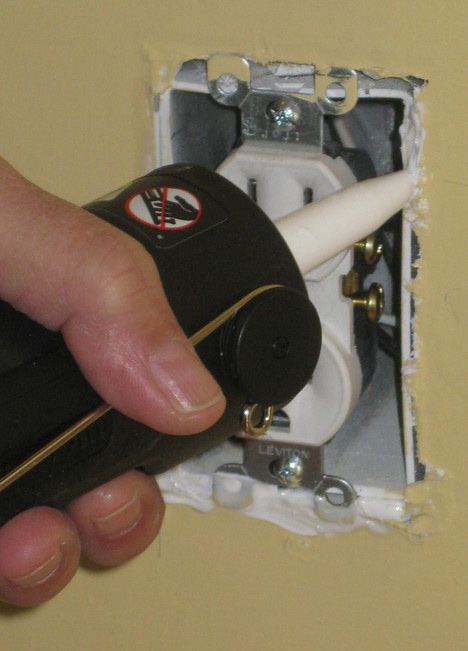
4. Seal air leaks around wall and ceiling penetrations.
Vent fans, recessed lights, and electric receptacles and switches on exterior walls can be significant sources of uncomfortable drafts and energy loss. Fix the problem by applying caulk in the gap between the fixture or box and the drywall. Remove the cover plates and trim pieces before applying caulk. For electrical boxes, install a foam gasket under the cover plate before screwing it back in place. This video shows how to seal outlets. Cost: $30 to $50
5. Weather-strip windows and doors.
The tiny gaps between window sashes, jambs, headers, and sills and between the sash and the rails all add up. So do the ones around exterior doors. Depending on the size of the gaps, the accumulative “hole” could be the size of a basketball! Installing weather-stripping is easy and inexpensive. Don’t forget the door sweep at exterior doors. Cost: $80 to $120
6. Seal ducts near air handler with mastic.
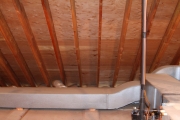
Leaky, un-insulated ducts can reduce warm air flow where you need it. They can also waste huge amounts of energy. Use duct mastic to seal all duct joints and holes, especially those near the air handler. Cost: $20
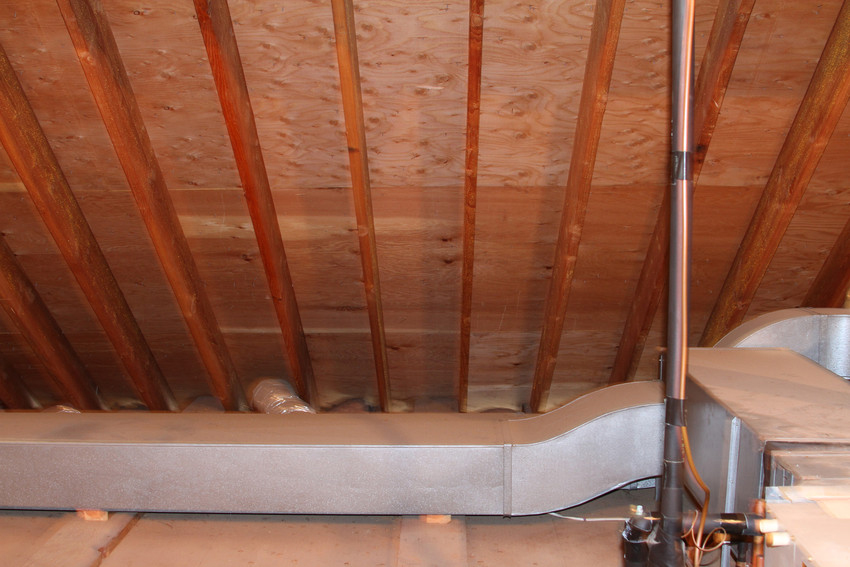
7. Seal and insulate rim joists.
A great deal of cold air leaks into your basement where the framing meets the masonry foundation. From there it contributes to cold floors and can easily infiltrate your living space via small cracks and gaps in the flooring. Cut rigid foam board insulation to fit snugly between joists at the rim or band joist. Use caulk or a foam sealant to seal around the edges of the rigid foam boards. Cost: $150 to $250
8. Keep registers and grilles clear.
Make sure that the supply and return registers and grilles in your forced-air HVAC system aren’t blocked or covered by rugs, furniture, or furnishings. Blockages disrupt the balance of supply and return air, making the HVAC system operate inefficiently. Blocked registers and grilles can also starve your furnace of air, causing the heat exchanger to overheat and crack. Cost: $0
9. Ensure a balanced duct system.
For a cozy, comfortable home, warm air must be able to circulate freely from the furnace to every room of the house and then back to the furnace. In a room lacking a return duct, especially one with a closed door, air pressure may build and resist the introduction of a new supply of warm air from the furnace. Leaving the door open or installing a simple jumper duct from the closed room to one with a return vent will help to solve the problem. Watch this video on installing jumper ducts to better understand why comfort depends on a balanced duct system. Cost: $0 to $80
10. Seal your fireplace flue.
A typical fireplace is a major source of cold air drafts during the winter. Cold air gets sucked down the chimney and warm air escapes, even with the damper closed. Stop this leakage (and save on heating costs) by installing a “chimney balloon” or “chimney pillow.” After inserting this tough plastic balloon into your flue, inflate it to seal the chimney. Remove it when you want to build a fire, and replace it after the flue has cooled completely. Cost: $70