LEED for Homes vs. National Green Building Standard
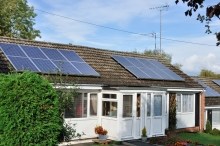
Written by Robert Shearer Tue Mar 15 2011 12:00amMore homeowners are choosing to build green, but how can homeowners can be assured of the quality of the final product? One of the best ways is to gain certification from a third-party rating system. Two of the most popular are LEED for Homes and the National Green Building Standard. Although largely similar, these two systems have some significant differences.
Construction Specifications Institute's (CSI's) GreenFormat
Written by Kristin Dispenza Tue Dec 28 2010 12:00amThe Construction Specifications Institute (CSI) has been hoping to build upon its 60 year plus history of creating industry standards and guidelines. In December 2008 it introduced GreenFormat, an online search tool that assists designers in finding green building products. GreenFormat ties in with CSI’s existing group of formats, all of which help organize and manage project information (UniFormat, MasterFormat, etc.). Information in GreenFormat is organized according to the already familiar MasterFormat divisions.
In November 2010, the U.S. Green Building Council's (USGBC's) LEED 2012 update opened for public comment. Through January 14, 2011, the USGBC will collect these comments, then review them, revise the LEED 2012 updates, and initiate a second round of public comments from July 1, 2011 through August 15, 2011. Balloting by USGBC members for LEED 2012 is scheduled for August 2012, with LEED 2012 set for release on November 7, 2012.
When describing the changes made to Leadership in Energy and Environmental Design (LEED) for 2009, the U.S. Green Building Council (USGBC) uses the word “harmonization.” According to Marie Coleman, a Communication Associate with the USGBC, this refers to the fact that all LEED commercial rating systems are now aligned on a 100 point scale.
For more than ten years now the United States Green Building Council (USGBC) has been transforming the way we build through its Leadership in Energy and Environmental Design (LEED) rating system. This transformation has been driven by local, state, and federal government, as well as institutions. However, the past two years have seen an increasing number of private LEED projects; this trend has sparked interest in the return on investment (ROI) of LEED certification.
LEED Third Party Verification: Project Certification and Professional Credentials
Written by Kristin Dispenza Tue Sep 21 2010 12:00amThird-party verification, the basic concept at the heart of the Leadership in Energy and Environmental Design (LEED) program, is both its greatest strength and its greatest burden. The U.S. Green Building Council (USGBC) has long struggled to establish a practical system in which a series of independent verifiers work seamlessly together to achieve building certification.
The U.S. Green Building Council’s (USGBC's) Leadership in Energy and Environmental Design (LEED) program is the nation’s leading standards-based green building program. In 2009 the USGBC released its most recent version of the rating system and embarked upon its latest stage of development.
When Building Green, Spend Money Where It Counts
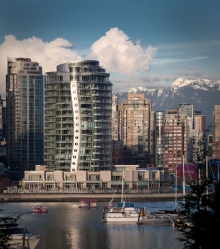
Written by Kristin Dispenza Wed Mar 17 2010 12:00amTenants want to lease space in green buildings. Expand your design options by finding creative ways to partner with green tenants early on.In the current market, building green is a sound business practice, and it doesn’t have to require spending money on trendy green products. It is feasible to build to LEED certification standards by focusing on a few core building systems. Furthermore, cost and risks can be defrayed if everyone on the project – even the end user – is working toward the same goal, as is exemplified by the DiscoveryGreen building located in Vancouver, B.C., which achieved LEED Platinum certification.
LEED V3 Provides New Tools.
Many homeowners are running amok trying to sell their homes in a downturned economy. The design/build professional Christopher Prelitz, LEED AP, founder of Prelitz + Partners, owner of New Leaf America, and author of the book Green Made Easy, has been renovating buildings with green features since 1993. An active member of the sustainable building community of Southern California for nearly 20 years, Prelitz says, "If you green it, you will sell it." Perhaps Prelitz's most profitable market is green-ovating homes and flipping them for nice profits. The concept sounds "easy," but doing a green renovation is often seen as such an elephantine task that many walk away from the idea with their eyes dazed over.
The tables have turned as owners are coming to architects requesting a LEED Certified building, reports Bruce S. Fowle, FAIA and LEED AP of FX FOWLE. Furthermore, “According to FMI Management Consultant’s 2008 U.S. Construction Overview, construction industry stakeholders are increasingly recognizing green building capabilities as "good" — and as a necessary part of a firm's best practices. Green building is no longer a niche sector,” reports HGTV in their News Trends article Construction Industry: Green Building is Good.