Pelamis Wave Energy Converter: Renewable Energy from Ocean Waves
-
font size
decrease font size
 increase font size
The notion of harnessing energy from the sea has captured the human imagination for years. With interest in renewable energy at an all-time high, steps are being taken to turn this idea into a reality.
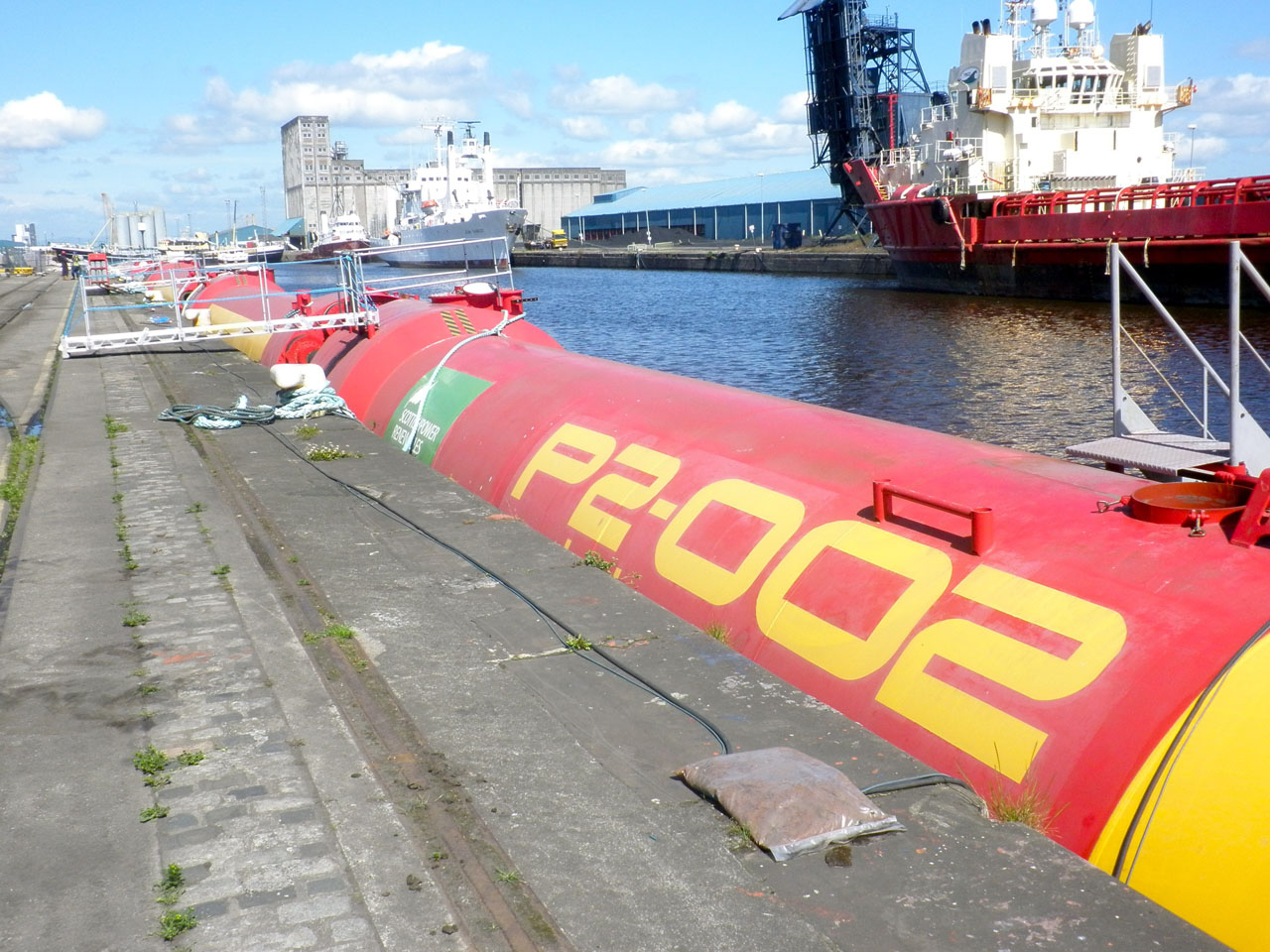
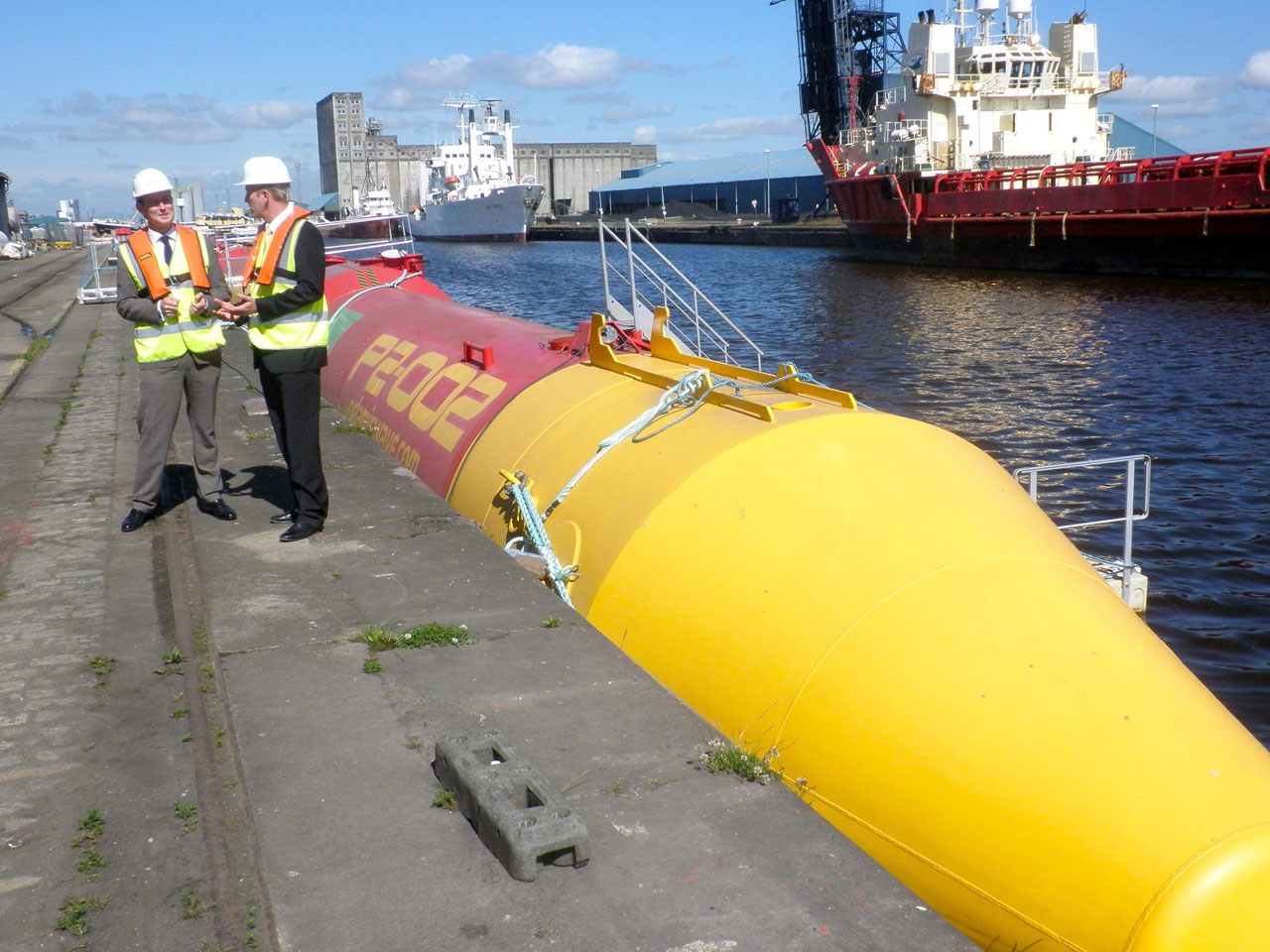
As the global need for renewable energy sources continues to surge, one innovative company has released technology that could have a major impact on utility and energy companies, as well as their customers, well into the future. The Pelamis Wave Energy Converter, made by Scottish company Pelamis Wave Power, is the first commercial machine that can generate electricity from offshore wave energy. Since the company first tested its prototype wave energy converter between 2004 and 2007 in Scotland, four additional Pelamis machines and two designs – the P1 and the second-generation P2 – have been created.
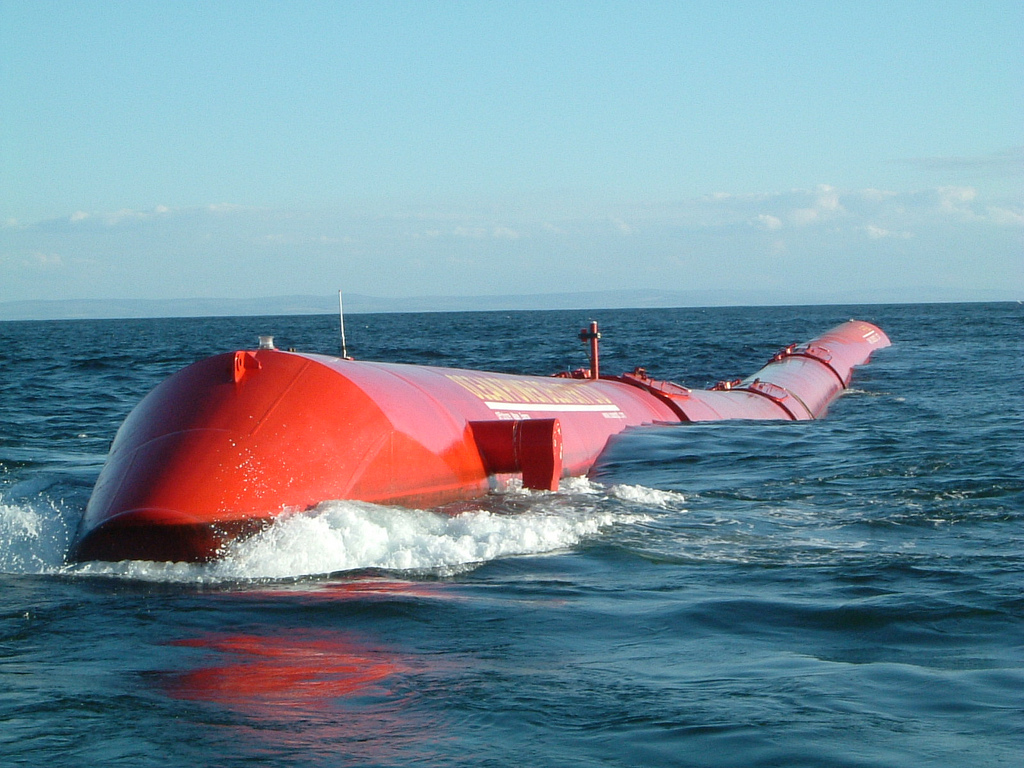
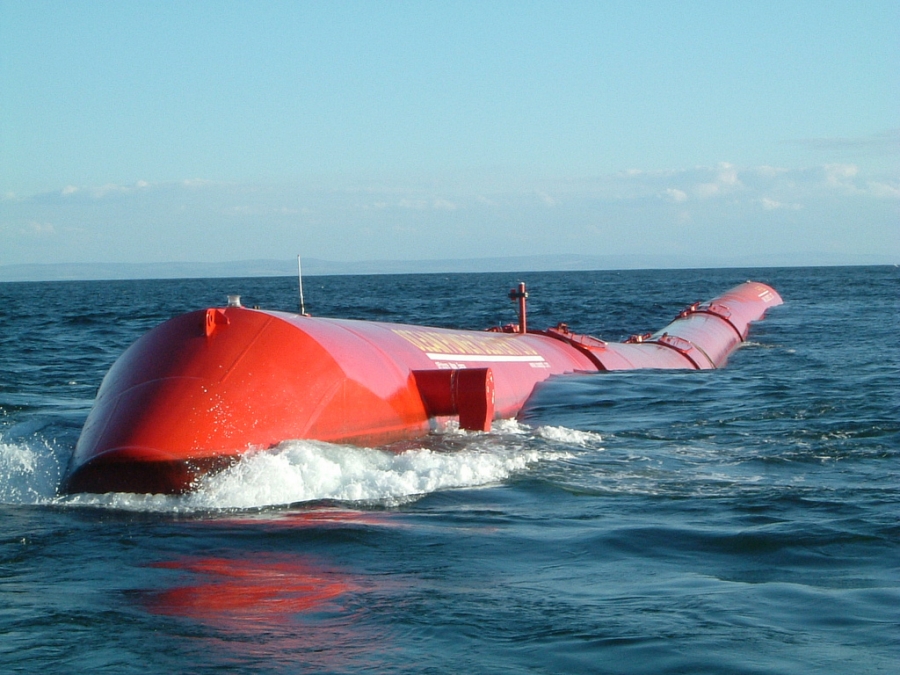 Image attributed to Umaji Solar under CC license
The Pelamis Design and Wave Energy
Financing Renewable Energies

Perhaps the only thing that traditional, fossil fuel-based electricity generation still has going for it is the ease of “turning on” a new account. Calling the local utility company… easy. Researching, installing, and financing renewable energies and alternative solutions… difficult. Read More...
ROI Behind Solar
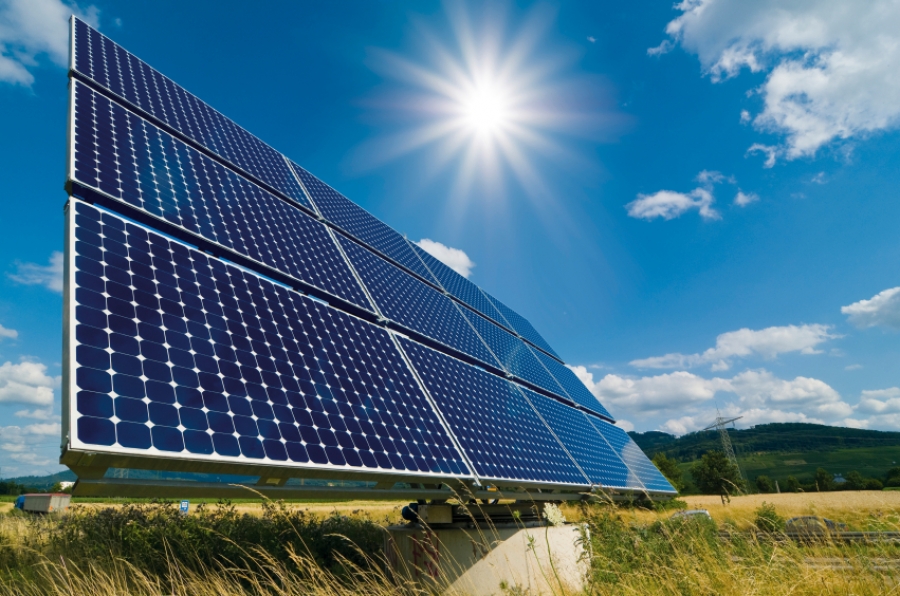
The economic case for installing solar electric panels on your house or place of business is a heavily discussed topic these days. With the green building movement in full force, photovoltaic (PV) systems are becoming more and more popular. Read More...
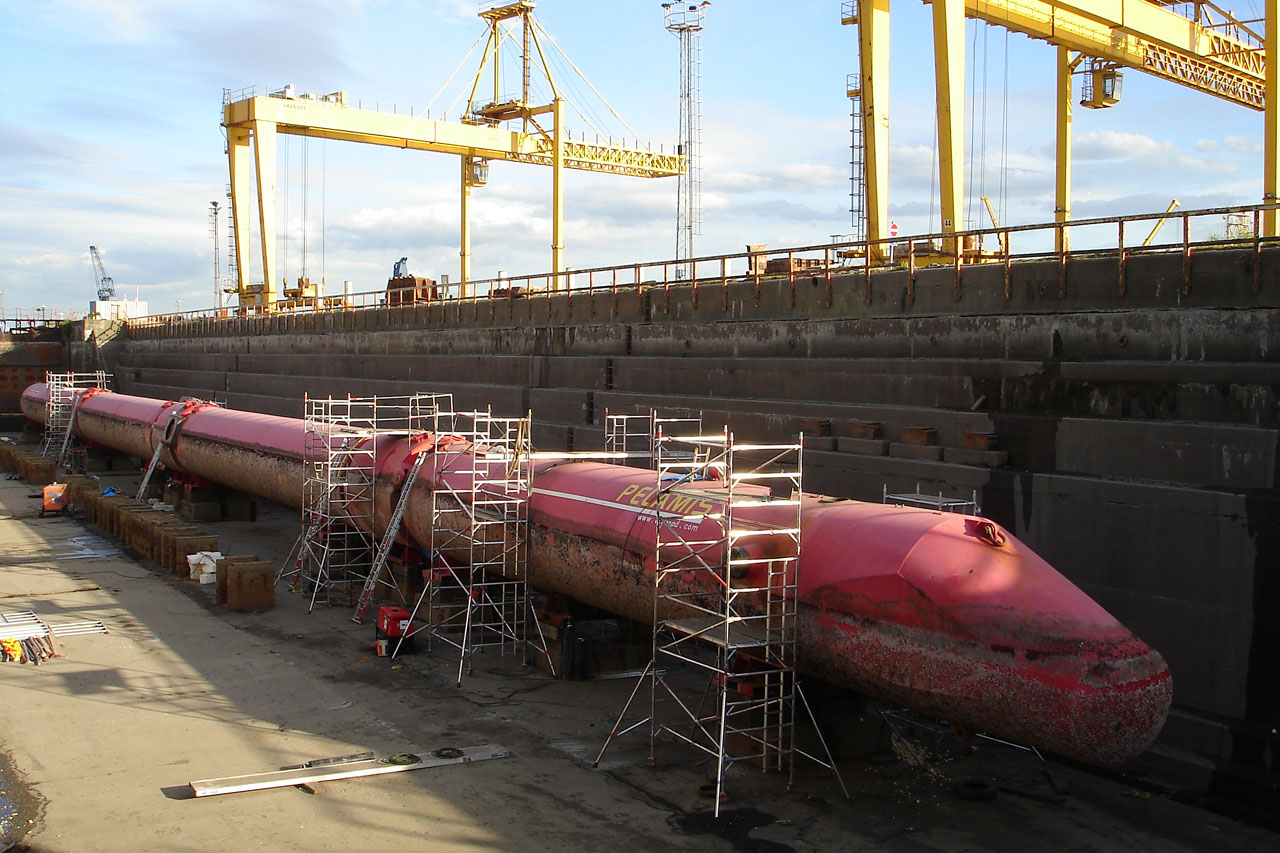
The Pelamis Wave Energy Converter utilizes changes in ocean surfaces, or waves, to generate electricity. Pelamis machines are designed to float semi-submerged in offshore waters that reach depths of 50 m or greater, typically located 2–10 km offshore. Multiple cylindrical sections are connected by hinged joints. As waves pass by the cylindrical machine, the machine bends at the multiple hinges. As the hinges bend, the motion is resisted by the cylinders, which simultaneously push fluid into accumulators at an accelerated rate, resulting in high pressure. The energy that is absorbed by this motion is then converted into electricity. The cylinder resistance can also be altered to increase or decrease energy generation as waves increase or decrease in size. While all of the energy produced by the waves cannot be converted into electricity, as some is naturally lost during the conversion process, the majority of the wave energy can be converted.
Pelamis and the Environment
In addition to efficiently generating electricity from offshore waves, the Pelamis Wave Energy Converter is environmentally friendly. In fact, the Pelamis Wave Energy Converter is potentially one of the most “environmentally benign” forms of electricity generation in the world, according to the Pelamis Wave Power website. One of the factors that contributes to the Pelamis Wave Energy Converter's small environmental footprint is the fact that the machine remains stationary during performance, which increases its efficiency, because the kind of marine growth that causes drag on a moving vessel is negligible for the machine. Its cylindrical shape also reduces drag. The Pelamis Wave Energy Converter’s semi-submerged design helps to limit the use of anti-foulants (chemicals used to slow marine growth), which can potentially be harmful to the environment. Due to its unique design, the Pelamis Wave Energy Converter also requires minimal onsite construction and has a minimal impact on the nearby shoreline.
The Future of Wave Energy
The wave energy that is present just around the British Isles is three times the current UK electricity demand, according to the Pelamis Wave Power website. However, due to technical and economic constraints, the recoverable resource is approximately 50–90 terawatt hours per year, which is estimated to be between 14% and 26% of the current demand. There are opportunities to utilize the technology around the globe. Any area that has an average of more than 15 kilowatts per meter each year could benefit from wave energy while still keeping cost to a minimum. Therefore, many areas could use wave energy conversion technology as a cost-effective, viable natural resource to generate electricity. France, Spain, Portugal, and Norway all could possibly benefit from the wave energy generated from the western seaboard of Europe. Additionally, Australia, North America, South America, Southern Africa, and New Zealand could also benefit from the wave energy off of the coastlines of the Pacific Ocean, which is believed to be very energetic — possibly more so than any other area. Therefore, the global impact of this technology is potentially immense.

J. Mariah Brown
J. Mariah Brown is a technical research writer and the owner of Writings by Design, a comprehensive business writing service company that specializes in business development, promotion, and client outreach. She has worked in a variety of technical and non-technical industries including, but not limited to, Government, Non-Profit, Engineering, Translation and Interpretation, Christian and Women’s Publications, and Fashion and Beauty. She is a graduate of the prestigious E.W. Scripps School of Journalism at Ohio University and is currently pursuing a master's degree from Gonzaga University in Communication and Organizational Leadership.
