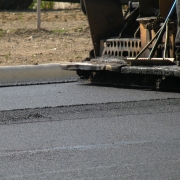
While asphalt can occur in nature as a result of crude oil’s exposure to weather, the asphalt used today in modern paving is a by-product of the oil refining process. What is referred to as asphalt in modern construction is actually asphaltic cement concrete, a flexible paving material composed of a mixture of asphalt cement (the binder), aggregates, and fine aggregates such as sand. Asphalt concrete mixes can be prepared off-site as a plant mix, or mixed-in-place at the project site.
(As previously published in Modern Contractor Solutions.) Pervious pavement is a green, sustainable strategy that can assist in lowering stormwater runoff, naturally decreasing automobile pollutants, recharging the water table supply and moderating the heat island effect. Similar to other complex construction systems, in order for the sustainable pavement to perform as it was designed, it needs to be installed with precision and maintained with diligence. To drain water effectively on any given site, different geographical areas require special adjustments to the technology as well.
Asphalt Pavement Solar Collectors: The Future is Now
Written by David A. Todd Thu Feb 09 2012 11:24amFor several years universities in the United States have been looking into the feasibility of using asphalt pavement to collect solar energy, or, more correctly, to harvest the solar energy that asphalt pavement is already collecting. Researchers have found that the technology exists for harvesting this energy, and its implementation may not be that far off.