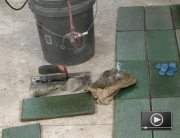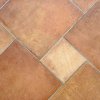
Ceramic tile has been used as an artistic, functional, and enduring building material for the last 4000 years or more. Ceramic tile is nothing more than a mixture of clays which are shaped and fired at a high temperature to create a hard, dense product. This product can be left untreated or receive a glazed wearing surface.
Quarry tile is a common type of floor finish material that is an unglazed blend of natural clays. Differing from ceramic tile, quarry tile is extruded to create a very dense product.
Glass tile, as the name implies, is made of pieces of glass which are formed into consistent shapes. As an interior finish item, glass tiles have become popular with designers for use in a variety of locations.
This topic includes information related to stone tiling installed during construction. Stone tiling is a decorative, natural material that is typically used to cover floors and walls. Common types of stone include; marble, granite, limestone, travertine, quartz-based and slate. Stone tile color and appearance will vary from piece to piece, because it is a natural material. Various types of stone tile have varying characteristics that offer their own advantages and disadvantages for specific applications.
This topic includes information related to waterproofing-membrane tiling installed during construction. Waterproofing-membrane tiling utilizes a sheet, liquid or urethane membrane beneath tiling to prevent water from damaging the wood structure of a building. Waterproof membranes can be used under a various types of tile including; ceramic, quarry, paver, glass, mosaic, plastic, metal and stone.
Tile flooring is manufactured from a variety of materials such as clay, stone, metal, terrazzo, and quartz. Each type of tile flooring has its own defining characteristics. Generally speaking, the two most commonly used types of tile flooring are ceramic and natural stone.
Ceramic tile is a common choice among flooring materials, especially for kitchens and bathrooms. It is available in so many types, colors, textures, and sizes that the design possibilities seem unlimited. Despite this wide variety of design options, the installation of a ceramic tile floor typically follows a series of basic steps and ceramic tile can be laid over just about any type of subfloor. It is a project that many do-it-yourselfers can accomplish with a few tips and a little patience. Join the At Home channel’s host, Jeff Wilson, as he demonstrates how to install a ceramic tile floor.
Ceramic tile is an ideal choice for walls and floors in any bathroom. It’s durable, impervious to water, and comes in an almost limitless selection of colors and styles. Tiling a custom bathroom with your own hands is a rewarding project for an experienced do-it-yourselfer. Join the At Home channel’s host, Jeff Wilson, as he offers guidance on installing wall and floor tile in the second installment of Buildipedia's custom bathroom series.