Painting was originally a method of representing, documenting, or expressing the varied interests, subjects and beliefs that were a part of society. Paint as a material or method of decorating buildings did not become popular until the 19th century. Master builders and architects of the day used more permanent materials, such as carved stone or marble, colorful ceramic tiles, or pigmented stucco and plaster to develop their designs and decorate the exteriors of buildings.
Understand product basics: what a primer is, what functions it serves, and how the marketing hype underserves the consumer.
The latest trend in the paint industry is "paint and primer in one," and it has proven to be quite the controversy. Technically, the only newness about it is the hyper-marketing aspect. The phrase "self-priming" has been a line item on some paint labels for decades. Indeed, some products are formulated for application directly over bare substrates, such as floor enamels and some concrete products. Given the variety of products available in the wider market of general, non-specific paint finishes, it is impossible to say which ones employ precisely which technologies. However, it is possible to understand product basics: what a primer is, what functions it serves, and how the marketing hype underserves the consumer.
Exterior Painting: Moisture as a Cause of Paint Failure
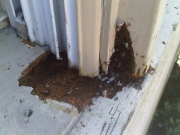
Written by Joe Sheridan Mon Jan 30 2012 3:59pmPaint failure occurs for many reasons, but moisture is a common cause. It is important for a homeowner to not only notice moisture problems, but to hire a competent painting contractor who can identify their causes and make the necessary corrections. Moisture as a source of paint failure falls into three general categories: systemic moisture, structurally caused moisture, and moisture caused by human error.
Product Spotlight: Sherwin-Williams Zero-VOC and Odor-Reducing Paint
Written by Crystal Schweim Mon Jan 30 2012 3:30pmKeep Rooms Looking and Smelling Fresh
Sherwin-Williams has enhanced its ever popular, zero-VOC* Harmony product with a formula that offers improved application, better hide, and new odor-eliminating technology that actually reduces odors in the air, keeping rooms smelling fresher longer. The length of time for which Harmony actively reduces odors depends on the concentration of the odors, the frequency of exposure, and the amount of surface area being painted. Harmony also withstands frequent washings and resists mildew on the paint film with an antimicrobial agent.
Previously in our series on painting, we looked at set-up and interior painting tips, as well as exterior paint failure due to moisture. Although most homeowners will want to leave exterior painting to the professionals, we will discuss exterior painting work that DIYers can perform. At the least, gaining an understanding of exterior painting will benefit homeowners when they're making decisions about home maintenance and improvement.
Product Spotlight: Sherwin-Williams Colormix 2011 Collection
Written by Sherwin-Williams Mon Jan 30 2012 3:31pmExplore Color
Sherwin-Williams celebrates individualism through its thoughtfully-selected colormix™ 2011 collection. Whether our client's passion is a love of antique maps, a fascination with 3D animation, or a collection of batik-patterned dresses, the professionals at Sherwin-Williams can help clients to embrace their passions and use them to guide a project’s decorating direction. The 39 colors selected by Sherwin-Williams color experts for colormix 2011 are grouped into four palettes: Purely Refined, Bold Invention, Restless Nomad, and Gentle Medley.
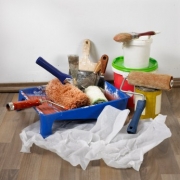
As the old saw goes, the proper tools make the job; this applies to painting as well. Purchase quality tools and materials. DIYers save on labor costs and can easily justify paying the price of quality tools. Tool quality and price vary widely, but you can find good quality at a medium price. The right tools will help you to achieve your goals of increased quality and decreased work time.
In our last article on DIY painting basics, we discussed setting up an effective workspace and managing the workflow. We're now ready to work, and we'll discuss tips on preparation and finishing your interior painting project. Painting serves two purposes -- to beautify and to protect surfaces. Beautification takes a more prominent role in interior painting than in exterior, where protection is your higher concern. Proper surface preparation is equally important in achieving both purposes. Preparation is the most time-consuming and difficult aspect of any painting job, although it is also the most important. Proper preparation will produce a finish that will look great and last far longer than poor preparation will.
When I think about DIY painting basics, I think about process and procedure -- setting up an effective work space and job sequencing. I have been at this business for a long time, and I have seen and learned a lot. I have met homeowners of all competencies, each of whom seemed to lack this understanding of process and procedure. Throughout this series, we will look at interior and exterior application techniques, including tips and tricks. The goal is to help the DIYer produce a higher-quality result using fewer resources.
“Paint is a big, big piece of the puzzle,” says Steele. “A lot of times it’s the first thing that gets changed when people decide they want to go green because it requires a low commitment level.”