Solar Renewable Energy Certificates (SRECs)
-
font size
decrease font size
 increase font size
Video
Solar projects have taken off around the United States and the rest of the world in the past few years, partly because of higher energy costs and increases in financing options. The U.S. federal government has created many such options, including tax credits and grants. Lately, solar renewable energy certificate (SREC) programs at the state level have caught the industry’s attention. SRECs have begun to take shape as creative financing tools for all types of solar projects. In both residential and commercial projects, SRECs have proven to be the difference in financial feasibility.
What Is an SREC?
When a solar panel or entire solar system is installed, clean energy (electricity) is produced as well as environmental benefits. Solar renewable energy certificates (SRECs) represent those benefits as a tradable and sellable credit (but they do not represent the electricity actually produced by the system). Under most current methods for trading SRECs, an SREC is issued once a solar system has produced one megawatt hour:
1 SREC = 1000 kilowatt hours of solar electricity production (1 megawatt hour).
ROI Behind Solar
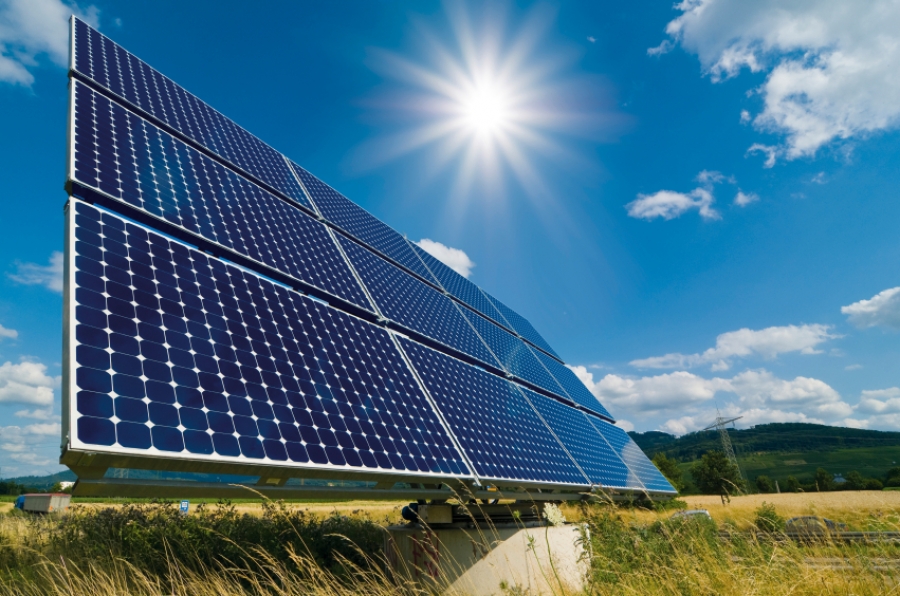
The economic case for installing solar electric panels on your house or place of business is a heavily discussed topic these days. With the green building movement in full force, photovoltaic (PV) systems are becoming more and more popular. In many cases, though, homeowners and small business owners lack the necessary information to make an educated decision on whether to go ahead with a photovoltaic (PV) system installation. In order to make an educated decision on a PV system, the owner must approach the purchase with the return on investment (ROI) in mind. Read More
SRECs have value because of a handful of states’ renewable portfolio standard (RPS) legislation. An RPS is set by individual states and requires local utility companies to produce a portion of their power from renewable energy. Typically, if a local utility company in an RPS state should fail to meet that standard, it would then pay a fine, so a utility in an RPS state has two options to avoid fines: build its own solar electricity production facilities or purchase SRECs. Often it is much cheaper to purchase SRECs, and because of that SREC markets arose in those states.
Selling SRECs
Selling SRECs can be a difficult thing to do on your own. Often your solar system installer will take care of setting up and selling your SRECs for you. However, this may not be part of your installation package. Here are some helpful tips on selling your SRECs.
- Research your SRECs. It is necessary to first research whether your state has an SREC market. If it does, you can then research prices, buyers, and state requirements. One website in particular -- SRECTrade -- will supply most of the necessary information.
- Identify a buyer. In several states you can sell directly to your utility company and receive yearly payments. You can also sell your SRECs to brokers, who may buy them monthly or yearly. Some brokers, however, may buy the SRECs for the life of your system for one upfront payment. Your installer may also purchase your SRECs from you. It just depends on your preference. The prices quoted will be very close in most states due to open markets and set prices, so your decision will likely come down to convenience.
- Certify the system. The system must be certified by your state in order to make it eligible to receive SRECs. Every state does this differently, and the above link is a good start to achieving this certification.
- Set up a tracking account. This step will often be done by the purchaser of your SRECs. However, if it is not, it is necessary to identify which tracking system your state uses. Once again, the above link is helpful in doing so.
- Sell your SRECs: Depending on the buyer, you can expect payments upfront, monthly, or yearly. Often a system will need to produce one whole SREC before it can be sold, so pay attention to this requirement when planning.
SRECs may seem complicated at first but are definitely worth pursuing. In many cases, the installer of the solar system or the purchaser of the SRECs will lead the owner or help to navigate through the process. Either way, homeowners and businesses alike have the opportunity to use this creative new tool for providing solar power to our communities.


Michael Tolson MBA, LEED AP
Michael Tolson is an entrepreneur focusing on "green" real estate development in Toledo, OH and surrounding areas. He currently owns Tolson Construction, and The Tolson Development Company. In an attempt to further drive businesses, Michael has completed an Executive MBA and a Graduate Specialization in finance from the University of Toledo. His companies focus on commercial and residential buildings using the United States Green Building Council’s LEED rating system. With this in mind, Michael has earned his LEED Accredited Professional designation.
