ROI-Driven Products: Low-Flow Fixtures
-
font size
decrease font size
 increase font size
Video
Over the past few years home improvement and building improvement have taken a dramatic shift toward retrofits with financial benefits. Homeowners and building managers are no longer content with inefficient homes and underperforming assets. Instead, they are looking for multiple ways to lower their expenses. One of many successful strategies has been to decrease water use through the installation of low-flow fixtures. However, the question must be asked: what is the return on investment (ROI) of low-flow fixtures?
Low-flow fixtures are plumbing fixtures that use significantly less water than conventional fixtures. They include toilets, urinals, showerheads, and faucets. Typically, a low-flow fixture will reduce water consumption by at least 20% when compared to conventional fixtures. That translates into measurable savings in both water expenses and sewage expenses, as well as a savings in the energy used to heat the water.
Low-Flow Toilets
Toilets are responsible for nearly 30% of the indoor water consumption in a typical U.S. home. In addition, a toilet made before 1994 can use over three times the water a new toilet uses. This makes the replacement of a home’s existing toilets a high priority when it comes to home and building improvements.
ROI behind Geothermal Systems
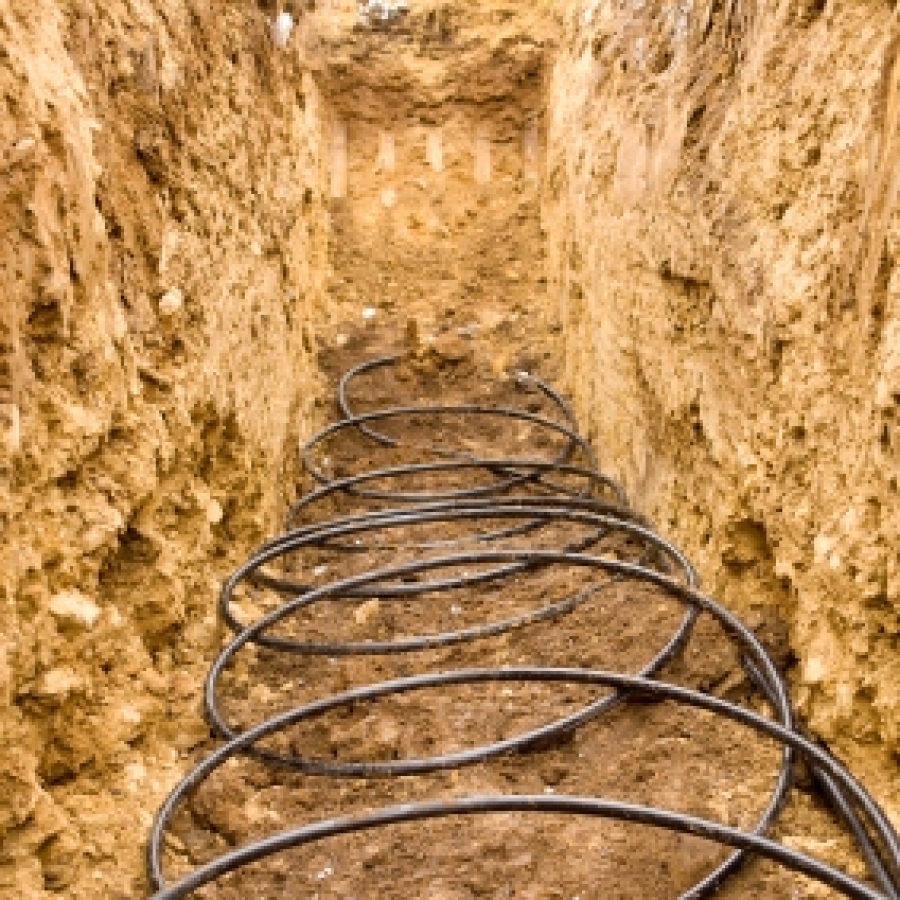 As the green building movement begins to hit its stride, geothermal systems are quickly gaining prominence as efficient and attractive choices for projects featuring alternative energy. Learn more about the expected ROI by taking a look at a few completed projects. Read more
ROI-Driven Products: Insulation
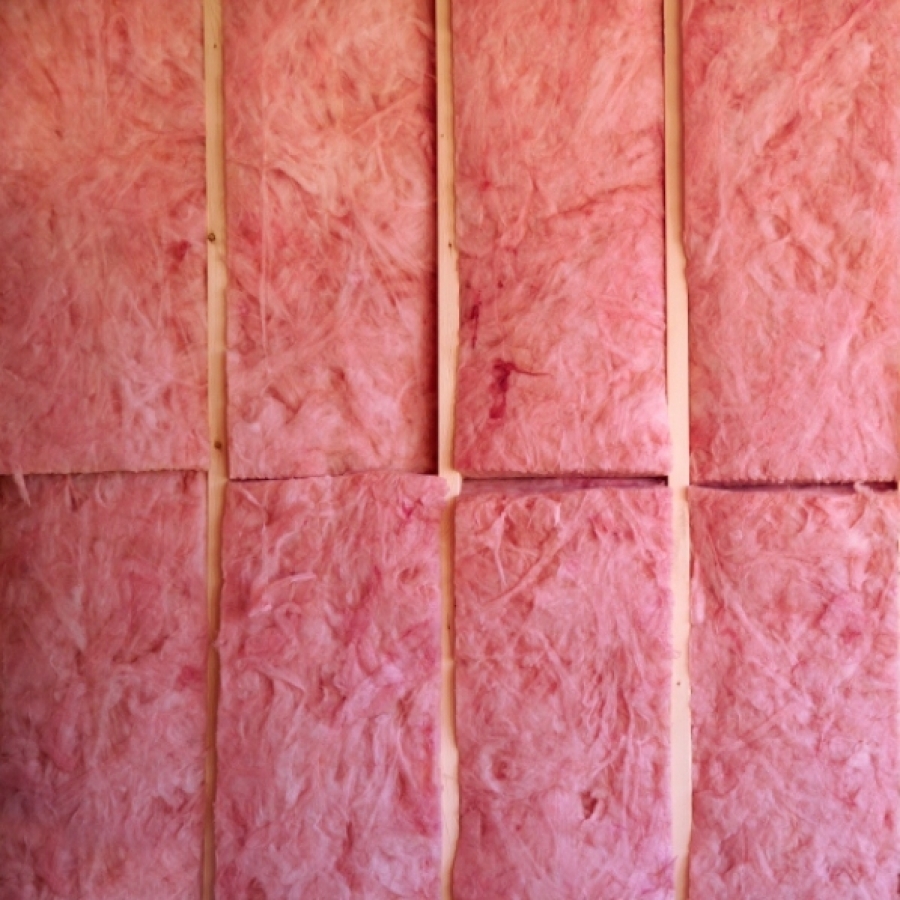
With energy prices on the rise, building envelopes have come under increasing scrutiny. Homeowners and business owners alike are now seeing the need to improve the building envelope and increase its overall efficiency. Read more
The price for a new toilet installed by a qualified plumber can vary greatly depending on quality, preference, and performance. A standard high-performance toilet that uses 1.28 gallons per flush can be purchased for $150–$500. The installation charges will typically be $250–$500. This puts an average toilet replacement at $500 with both labor and materials. According to the EPA’s WaterSense program, homes that replace older toilets with new WaterSense-labeled toilets can expect a savings of up to $90 per year. That puts the simple payback on an average toilet replacement at just over five years, with an ROI of nearly 20%. Keep in mind that the ROI can be much higher if the installation is done by the homeowner.
Low-Flow Urinals
Most people don’t realize that nearly 65% of all urinals in use today exceed the maximum allowable flush standards set by the federal government. This shortfall indicates a tremendous opportunity for building owners and managers to reduce their operating expenses through the implementation of high-performance, low-flow urinals.
According to the EPA, a WaterSense-labeled urinal only uses 0.5 gallons per flush (gpf), compared to 1.5–4.5 gpf for older models. That can reduce a facility's water use by nearly 4,600 gallons per year (4.6 kilo-gallons). Assuming you live in an area that charges $10 per kilo-gallon ($5 for water and $5 for sewage), that would equate to a savings of nearly $50 per year. When comparing that to an average total installed price of $500, the simple payback is 10 years with an ROI of 10%.
Low-Flow Showerheads
A standard residential showerhead uses 2.5 gallons of water per minute (gpm). However, a low-flow WaterSense-labeled showerhead uses only 2 gpm. That is a reduction of 20%, which can lead to a total household water savings of 2,300 gallons per year. Since this will also ease the demand on water heaters, it can create an energy savings of 300 kilo-watt hours per year as well. Assuming the same $10 per kilo-gallon charge as above, and $0.10 per kilo-watt hour of electricity, a WaterSense-labeled showerhead will create a total savings of more than $50 a year. This relates nicely to an average showerhead’s total installed price of $200, allowing a simple payback of four years with an ROI of 25%. Keep in mind that the ROI will be much higher if the installation is done by the homeowner.
Low-Flow Faucets
Faucets account for more than 15% of a home’s indoor water consumption. A low-flow WaterSense-labeled bathroom sink faucet can reduce that consumption by more than 30%. That equates to nearly 500 gallons of water per year. Much like a showerhead, a low-flow faucet will also create an energy savings by reducing demand on the water heater. This savings is small, about $10 per year, but it helps to create a total savings of $15 per year. Because a homeowner is more than capable of changing out a faucet, the total installed price can be less than $100, depending on preference and quality. This allows for a simple payback of under seven years, and an ROI of approximately 15%.
As you can see, homeowners and building managers have many opportunities to reduce their expenses through low-flow fixtures. Ultimately, the question of whether the ROI justifies the expense of installing low-flow fixtures must be answered by each individual. With the data presented above, homeowners and building managers make that decision efficiently and in their own best interests.


Michael Tolson MBA, LEED AP
Michael Tolson is an entrepreneur focusing on "green" real estate development in Toledo, OH and surrounding areas. He currently owns Tolson Construction, and The Tolson Development Company. In an attempt to further drive businesses, Michael has completed an Executive MBA and a Graduate Specialization in finance from the University of Toledo. His companies focus on commercial and residential buildings using the United States Green Building Council’s LEED rating system. With this in mind, Michael has earned his LEED Accredited Professional designation.
