Plumbing Piping and Pumps

Written by Buildipedia Staff Mon Aug 17 2009 2:48pm

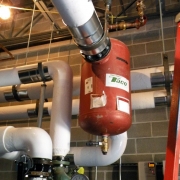
This topic covers information related to plumbing piping, equipment and valves that are installed during construction. Plumbing piping, equipment and valves are used to distribute and remove water and wastewater within a structure.

Domestic Water Pumps

Written by Buildipedia Staff Mon Aug 17 2009 2:48pm

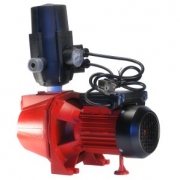
This topic covers information related to water pumps that are installed during construction, as part of a plumbing system. A water pump may be a direct lift, displacement, velocity, buoyancy, or gravity type. They are used to move fluids, such as water into or through a structures plumbing system.

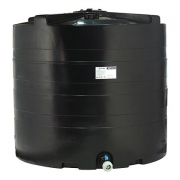
This topic covers information related to potable water storage tanks that are installed during construction. Potable water storage tanks are containers used to store water for human consumption. The container may be roof or ground mounted, elevated or installed indoors. They are generally installed in close proximity to the structure they provide potable water too.

Facility Sanitary Sewerage

Written by Buildipedia Staff Mon Aug 17 2009 2:48pm

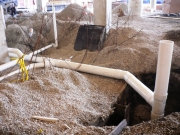
This topic covers information related to sanitary sewerage piping systems that are installed during construction. Sanitary sewerage systems carry waste water or matter away from a structure and into a larger sewerage network for collection, treatment and disposal. A structures sanitary sewerage system includes piping, drains, valves, interceptors, separators and other components.

Sanitary Waste and Vent Piping

Written by Buildipedia Staff Mon Aug 17 2009 2:48pm

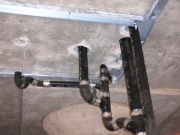
This topic covers information related to sanitary waste and vent piping that is installed during construction. Sanitary waste piping carries waste water and matter from a structure. Vent piping, a component of the sanitary waste system, vents sewage gases to the exterior of the structure or outdoors.

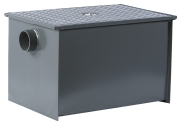
This topic covers information related to FOG or fats, oils and grease disposal systems that are installed during construction. Fats, oils and grease from residential or commercial kitchens can clog sanitary sewer lines and in turn cause wastewater backups. A plumbing device known as an interceptor is designed to be installed in-line with a sanitary waste line to collect or intercept most fats, oils and grease, prior to their entry into a sewerage system.

Facility Septic Tanks

Written by Buildipedia Staff Mon Aug 17 2009 2:48pm

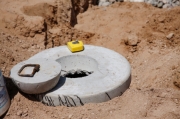
This topic covers information related to septic tanks that are installed, as part of a septic system during construction. Septic systems are often installed in locations where that local jurisdiction has not provided sewage pipes for removal of wastewater and matter. Septic tanks act as a small scale treatment system, where an inlet allows sewage in. Sediment falls to the bottom and liquids leach out through a drain field. Regular cleaning and maintenance of septic tanks to remove solids is necessary.

Roof Drains

Written by Buildipedia Staff Mon Aug 17 2009 2:48pm

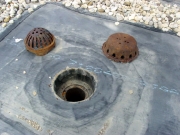
This topic covers information related to roof drains that are installed during construction. Roof drains are installed on flat roof surfaces to provide a drainage location for ponding stormwater.

This topic covers information related to compressed air utility systems installed during construction. Compressed air systems keep air under pressure for use with pneumatic devices, cooling, energy, and diesel engines. The system components include piping, valves, pumps, compressors, in addition to specialties determined by the service requirements.

Domestic Water Piping

Written by Buildipedia Staff Thu Jul 29 2010 12:00am

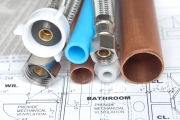
Domestic water piping supplies water to the water heater and to all fixtures within a building. Common domestic water piping materials include copper, CPVC, and PEX tubing (cross-linked polymers). ABS plastic piping, galvanized steel, and black iron pipe were previously used in domestic water piping applications but are not currently approved under the 2009 International Building Code (IBC).
Backwater Valves

Written by Buildipedia Staff Mon Aug 17 2009 3:01pm

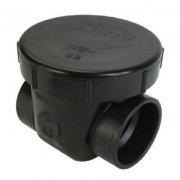
Backwater valves are installed in the main sanitary waste piping line from the building to the sanitary waste line on the property, hence they are called in-line backwater valves. They are valves that are installed in your sewer line for the purpose of closing off the pipe when water tries to back up through it; they permit sewage to pass through in only one direction.

Facility Storm Drainage

Written by Buildipedia Staff Mon Aug 17 2009 3:01pm

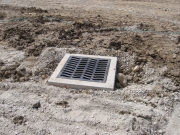
A storm drain is a network of underground pipes designed to control flooding by transporting stormwater from urban areas to a body of water. A storm drain may also be known as a curb, gutter, channel, ditch, pipe, or culvert. Facility storm drainage is therefore a network of pipes inside the envelope of a building which may include underground piping designed to control flooding by delivering stormwater from the roof to the network of pipes outside the building. Facility storm drainage is therefore restricted to that which is installed within the envelope of the structure to drain storm water from the roof of the structure.

Sump Pumps

Written by Buildipedia Staff Mon Aug 17 2009 3:01pm

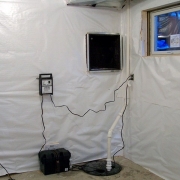
A sump pump is an automatic water pump powered by an electric motor which removes drainage, excluding raw sewage, from a sump or low point. There are two basic kinds of sump pumps: pedestal and submersible. Either will work well with proper maintenance. Pedestal sump pumps are powered by an electric motor which sits on top of a pedestal. The pump itself sits down in the sump, but the motor sits on top, out of the pit. A pedestal pump motor is not designed to get wet. The pump is turned on and off by a ball float. One advantage of this type of pump is that the on/off switch is visible, so the action of the ball float can be easily seen.

It’s no fun to end up with wet feet when you step into your basement, not to mention the fact that extensive flooding can cause real damage. Even if you have a sump pump, it is a piece of equipment that can fail just when you need it most. Find out what your options are for a backup pump and what it will cost.

"An ounce of prevention is worth a pound of cure." — Benjamin Franklin

Houses with in-ground basements, if they were built after the 1980s, commonly have AC-powered sump pumps installed. The sole purpose of such a pump is to discharge groundwater that is collected in a sump, then direct it outside and away from the foundation. The anticipated life span of a pump depends on how often it’s used, as well as the size, type, and quality of the pump installed. Unfortunately, there is no definitive duration of time that one can expect a sump pump to last; it may operate for 5, 15, or even 30 years. No matter the age of the pump, it won’t operate during a power failure, and such failures are common enough occurrences during severe storms. For these reasons, a sump pump’s failure to operate cannot be planned for. The best work-around is to put in place a preventative measure, such as a battery or water powered backup sump pump system, to insure that groundwater is collected and removed.

Copyright © 2012 Buildipedia.com™ | All Rights Reserved
Site Designed by Kinopicz American