Base Courses

Written by Buildipedia Staff Fri Aug 14 2009 10:53am

Flexible Paving

Written by Buildipedia Staff Fri Aug 14 2009 10:53am

Seal Coats

Written by Buildipedia Staff Fri Aug 14 2009 10:53am

Stone Paving

Written by Buildipedia Staff Fri Aug 14 2009 10:53am

Cinder Surfacing

Written by Buildipedia Staff Fri Aug 14 2009 10:53am

Parking Bumpers

Written by Buildipedia Staff Fri Aug 14 2009 10:53am

Aggregate Base Courses

Written by Buildipedia Staff Fri Aug 14 2009 11:07am

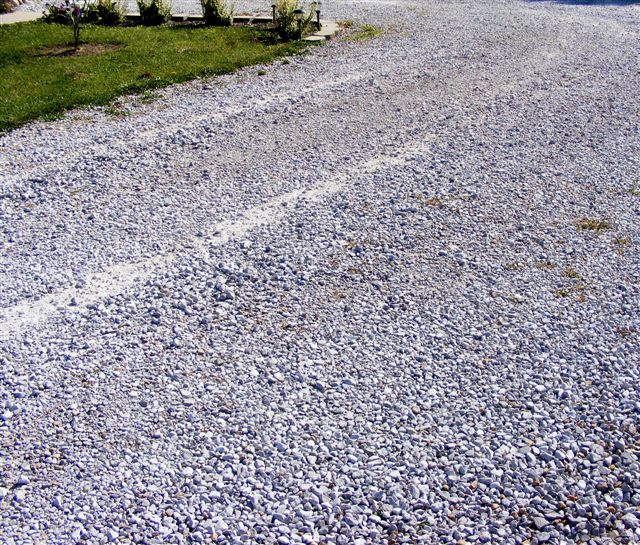
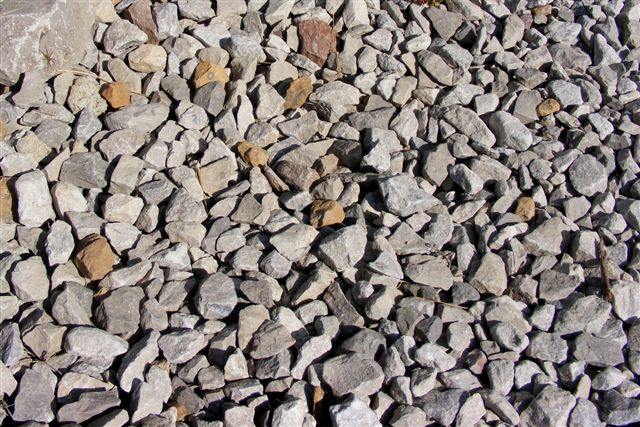
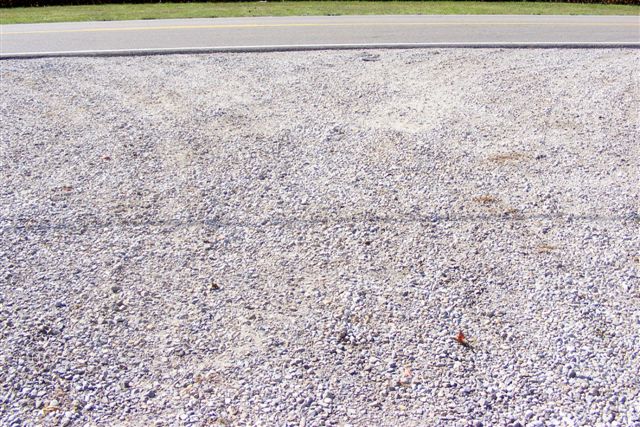
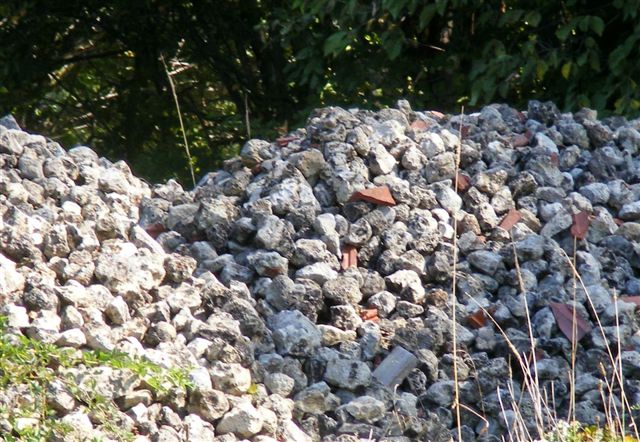
An aggregate base course is the layer of soil installed between the surface pavement layer and subgrade (foundation soils) of either flexible (asphalt) or rigid (concrete) pavement. Their purpose is to help transition surface loads from the pavement to the subgrade, evenly support the pavement surface profile, and protect the overall pavement system from water intrusion and deformation. While these objectives of base course layers are applicable to both types of pavements, load transfer is a more focused design consideration for flexible pavement, while moisture control is a priority for rigid pavement designs. Concrete base courses are further discussed in Article 32.11.36.

Concrete Base Courses

Written by Buildipedia Staff Fri Aug 14 2009 11:07am

The main objective of concrete base courses is to regulate moisture, preventing the types of damage common to rigid pavement systems. Load transfer concerns, which can necessitate some base course applications, is less of an issue for rigid pavement.  Aggregate base courses for rigid (concrete) and flexible (asphalt) pavements are discussed in article 32.11.23.

Asphalt Paving

Written by Buildipedia Staff Wed May 19 2010 12:00am

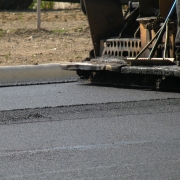
While asphalt can occur in nature as a result of crude oil’s exposure to weather, the asphalt used today in modern paving is a by-product of the oil refining process. What is referred to as asphalt in modern construction is actually asphaltic cement concrete, a flexible paving material composed of a mixture of asphalt cement (the binder), aggregates, and fine aggregates such as sand. Asphalt concrete mixes can be prepared off-site as a plant mix, or mixed-in-place at the project site.

Concrete Paving

Written by Buildipedia Staff Fri Aug 14 2009 11:07am

Portland cement concrete paving is also referred to as rigid paving. Concrete pavement is supported by a base layer of compacted aggregates or treated soils, which is in turn placed upon the foundational subgrade soils of the prepared roadbed. If two base layers are utilized, they are referred to as the base and sub-base layers (or courses). Rigid (concrete) pavement differs from flexible (asphalt) pavement in that rigid pavement is designed to carry traffic loads within the pavement layer itself.

Brick Unit Paving

Written by Buildipedia Staff Fri Aug 14 2009 11:07am

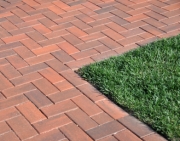
Brick unit paving offers an aesthetically pleasing alternative to traditional concrete and asphalt materials, when moderate traffic loads allow its use.  In the most common brick unit paving construction method, individual bricks are abutted on a bed of compacted sand over a granular base course.  These layers (or courses) are constructed upon prepared foundational soils known as the subgrade, and are contained within a framework of edge restraints.


Tired of eating at the picnic table on the lawn but not interested in maintaining a wood deck? Look to make a lasting impression in your backyard by installing a paver patio. Paver patios are aesthetically pleasing and are relatively low-maintenance. If you hire a contractor, you can expect to pay $15–$20 a square foot, depending on where you live and what type of paver you have selected. If you are able to set aside some time and are willing to perform the work on your own, you could save 40%–60% by doing it yourself. Let's get started!

Pervious Pavement

Written by Stephanie Aurora Lewis Thu Feb 02 2012 1:54pm

(As previously published in Modern Contractor Solutions.) Pervious pavement is a green, sustainable strategy that can assist in lowering stormwater runoff, naturally decreasing automobile pollutants, recharging the water table supply and moderating the heat island effect. Similar to other complex construction systems, in order for the sustainable pavement to perform as it was designed, it needs to be installed with precision and maintained with diligence. To drain water effectively on any given site, different geographical areas require special adjustments to the technology as well.

Contractor to Contractor: In this first of a two-part series, contractor-turned-homebuilder Fernando Pages Ruiz introduces permeable pavement, which allows rain and snow to seep into the ground.

What is Pervious Pavement?

Pervious concrete came to the attention of the building community in the United States after Congress passed the Clean Water Act in 1987. With restrictions in the amount of storm water runoff permitted from roads, parking lots and other impermeable surfaces, some developers began to look for environmentally-friendly alternatives. They found it in an exotic, water-sucking concrete first tested in Florida about 30 years ago as a flood-control device. Engineers placed highly porous concrete paving in spots along Florida roadways frequently submerged by heavy downpours. The permeable surface provided a quick-drying roadway that didn’t stay flooded after the storm.

For several years universities in the United States have been looking into the feasibility of using asphalt pavement to collect solar energy, or, more correctly, to harvest the solar energy that asphalt pavement is already collecting. Researchers have found that the technology exists for harvesting this energy, and its implementation may not be that far off.

Copyright © 2012 Buildipedia.com™ | All Rights Reserved
Site Designed by Kinopicz American