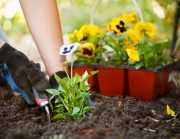
Transplantation is the uprooting of established trees, shrubs, plants, or flowers and re-planting them at a new location. This is often done in order to avoid damaging expensive plantings at a project site, or to facilitate new construction work, thereby reducing total project costs. Transplantation can also include the relocation of plantings from one project site to another, sometimes transporting them over significant distances. Uprooting and transplanting foliage can be very traumatic to the plant and can cause it to perish if done improperly. Various practical transplantation guidelines and precautions have been established by nursery, plant and tree professionals, based on their training and experience.
Planting 101: Understanding the Basics of Growing a Garden
Written by Jeff Calcamuggio Thu Jan 26 2012 3:08pmOnly you and those around you know what color your thumb is. For those of you without a green thumb, plants have a few environmental needs to grow and stay alive: temperature, water, soil, and sunlight. When Mother Nature doesn't provide these, you need to. That all seems rather easy, right? Whether you are planting a new garden or adding to an existing one, a little knowledge, planning, and preparation will go a long way toward earning your green thumb and determining the future success of your garden.
Planting a new lawn and establishing turfgrass begins with understanding your region's climatic conditions. The United States has five climatic zones: Cool and Humid, Cool and Arid, Warm and Arid, Warm and Humid, and a Transitional zone. All turfgrass types have the ability to grow in any zone for a portion of the year. Finding the most appropriate turfgrass type for your location will provide you with the best chances for a lush, green lawn. Once you have determined your climatic zone, the question now becomes seed vs. sod.
Turfgrass seed can be applied in one of two ways, with a spreader or sprayer. Broadcast seeding utilizes a spreader to scatter seed over an area. Seed is then raked into the soil surface. Hydroseeding utilizes a tank and sprayer to apply a greenish-blue slurry of seed, mulch, and fertilizer over an area.
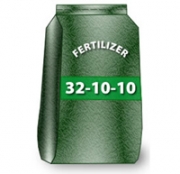
In addition to efficient watering, you need to know how to fertilize your landscape properly in order to have a healthy green lawn and garden. Read on to learn some fertilizer basics that will keep your yard looking great.
Sod is a turfgrass that has been established by a sod farm. Purchased locally, types of sod may include rolls or plugs. Rolls of sod are purchased and delivered to your property on pallets. The rolls of sod are then laid over the soil, with strips tucked together and then rolled flat with a weighted roller. Plugs of sod are common with warm-season grasses. They are purchased by the bushel or torn from strips of sod. Plugs are planted in the soil in rows apart from one another, and over time they grow and fill in the barren areas.
The sun is shining, the grass is growing, and we're ready to go outside and invest a few weekend hours in making our lawns more beautiful. However, conventional wisdom about spring lawn care may not tell the whole story. In fact, the pervasive notion that spring is the ideal season to begin lawn maintenance may have more to do with our own mood than it does with the growing cycle. So, what practical steps can we take right now, while we’re feeling inspired, to improve our lawn’s appearance?